Cortisol and the 2020 Market Crash
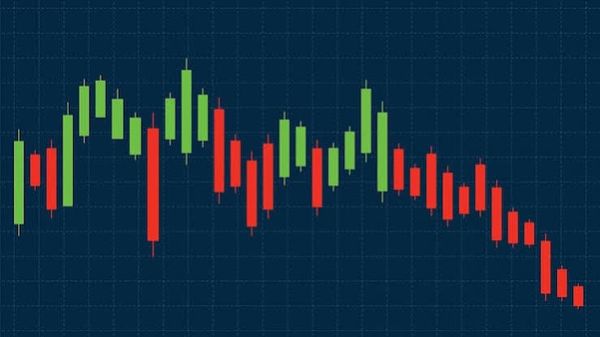
On March 23rd 2020, 12 days after WHO declared COVID-19 a global pandemic, the S&P 500 hit its pandemic bottom. The decline into a bear market was the fastest on record; It took only 22 trading days for the market to fall from its peak to its trough, a process that has historically an average of 239 days. What’s even more abnormal though is that the market stayed depressed for weeks even as some of the worst fears – a total healthcare collapse, for instance – didn’t materialize immediately. Markets often keep crashing and stay depressed well past the point where the actual news has stopped getting worse, why? Why does the risk appetite of traders stay suppressed even as information starts improving? Standard finance gives explanations somewhere along the line of new information, forced selling or contagion. But what if the duration of a crash is less dependent on the market than it is on the traders themselves?
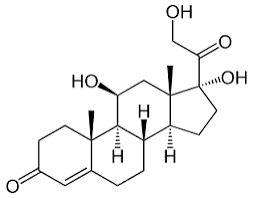
Cortisol, often called the ‘stress-hormone’, plays a primary role in the body’s response to stress. One of its lesser known characteristics however is how its production level affects the amount of risk a trader takes. A study by Coates and Herbert found that a trader’s cortisol rises directly with the volatility of their trading activity. A follow up study by Kandasamy et al. showed that although initial cortisol spikes had little effect on behavior, chronically high and sustained cortisol produced a sharp drop in participants’ willingness to take risks, with their risk premium falling by 44%. Furthermore, Coates himself pointed out that this chronic risk-aversion effect would have been strongest deep into a crisis – when cortisol had time to build up. The cruel irony is that this is exactly the kind of situation in which the market most needs people willing to buy. However, the traders most capable of stabilizing a crash (by buying underpriced assets) are neurochemically becoming more risk-averse the longer the crisis drags on. This means that the mechanism can help explain not just fast initial dips but why crashes and downturns persist and overshoot rather than quickly self-correcting. Critics may say that this argument is simply “the market was bearish because sentiment was still bad” remolded in the form of cortisol but this is not the case. Sentiment-based arguments describe what traders believed; this mechanism describes why their capacity to act on even a genuine buying opportunity was physiologically suppressed, independently of what they believed about value. Skeptics may believe that this is a merely theoretical claim with no empirical standing but the VIX – often called the ‘fear’ index – throughout March 2020 had an average of 57.74, over four times its late 2019 average, and instead of falling quickly as bad news stopped spreading, April’s average was 44.12 with a peak of 57.06 – still far from pre-crisis levels. If the mechanism truly was the same as sentiment then risk appetite should track sentiment improvement closely; instead, it lags behind even as sentiment recovers.